
Plimoth Patuxet Museums: Tickets and Info
This website offers official tickets for this venue. Please note, however, that it is not the official website of the venue.

Smartphone tickets

Why wait?

Instant confirmation

Flexible cancellation




Plimoth Patuxet Museums
Highlights
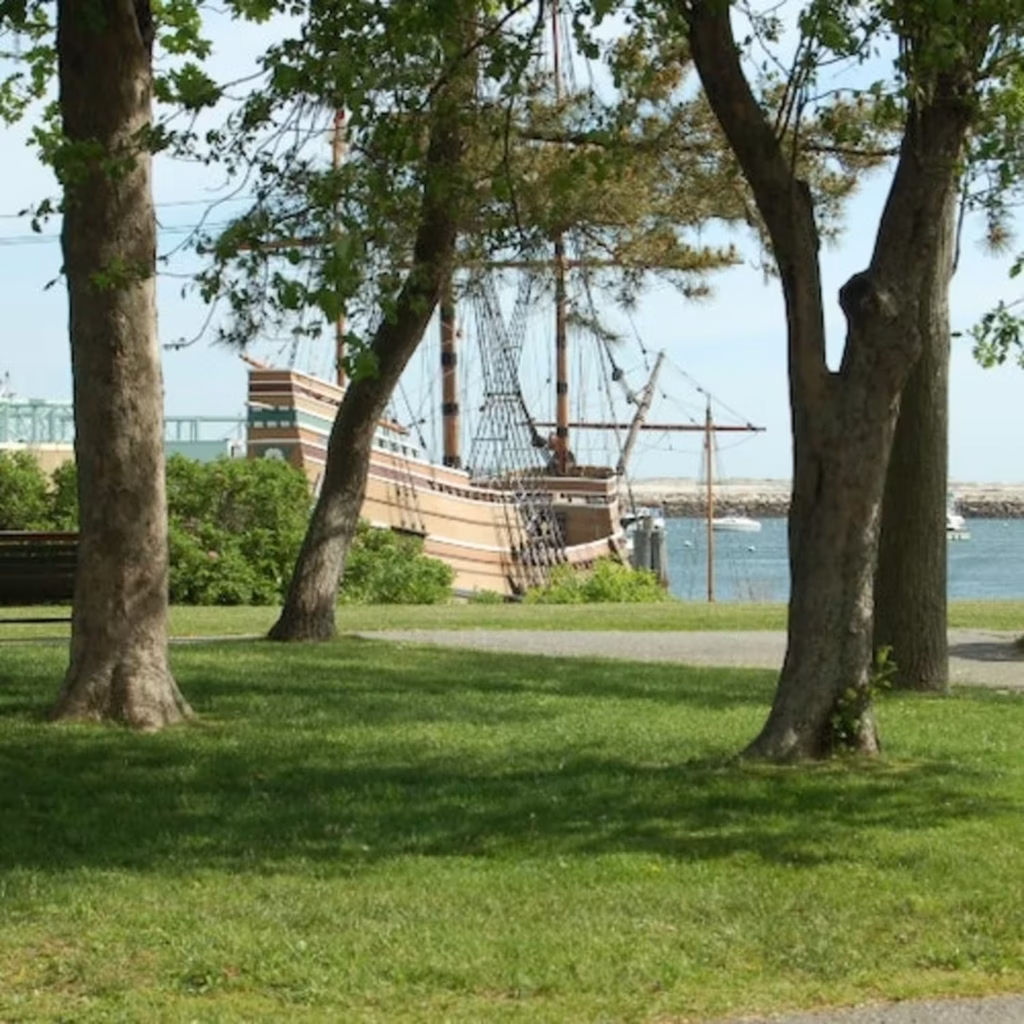
Step aboard a full-scale model of the Mayflower and discover its story.
Visit the functioning reproduction of the Pilgrims’ 1636 grist mill.
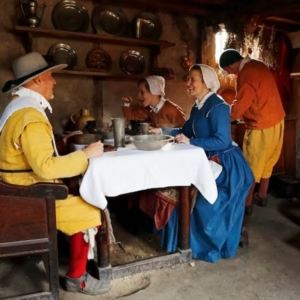
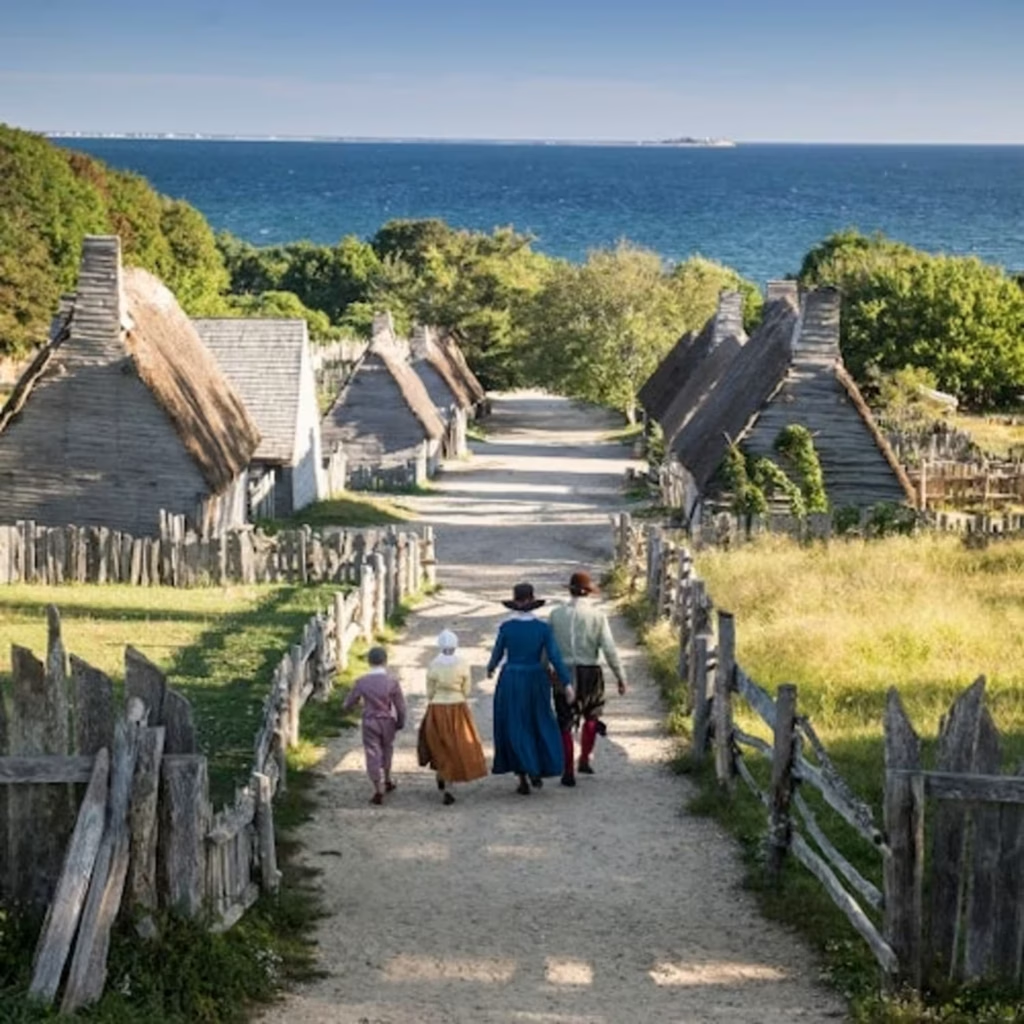
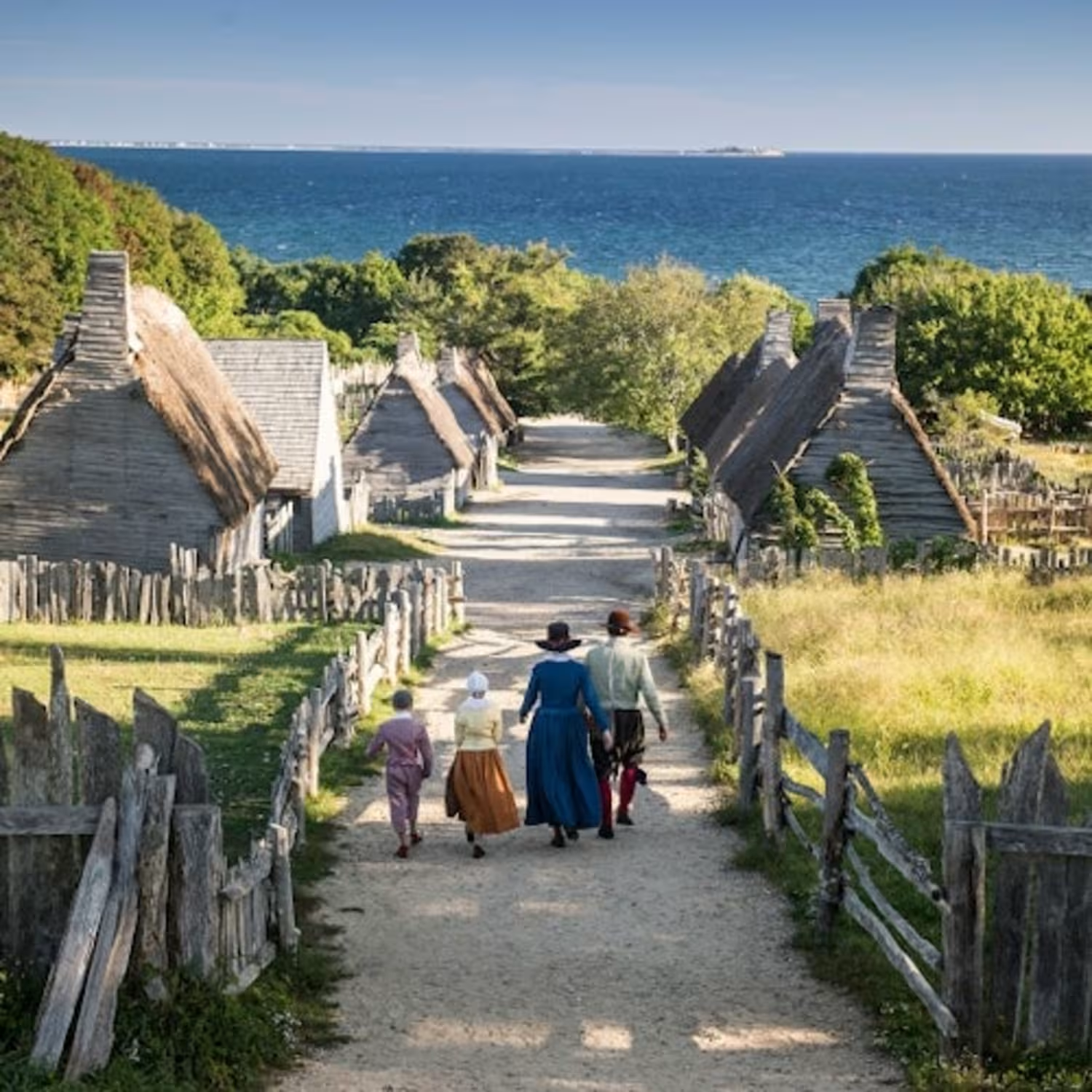
Experience the 17th-century English Village and learn about early settlers and Indigenous peoples.
Engage with interactive activities like traditional games, dances, and militia drills.
Benefit from accessibility services including complimentary golf cart rides.







Plimoth Patuxet Museums
Plimoth Patuxet Museums in Plymouth, Massachusetts, offers a unique journey back to the early 17th century, exploring the lives of the Pilgrims and the Wampanoag people at the historic Plymouth Colony settlement.
Experience immersive living history through authentic village recreations, engaging interpreters, and the iconic Mayflower II replica. Plan your visit today to discover this vibrant cultural destination and purchase tickets to secure your place in history.
About Plimoth Patuxet Museums
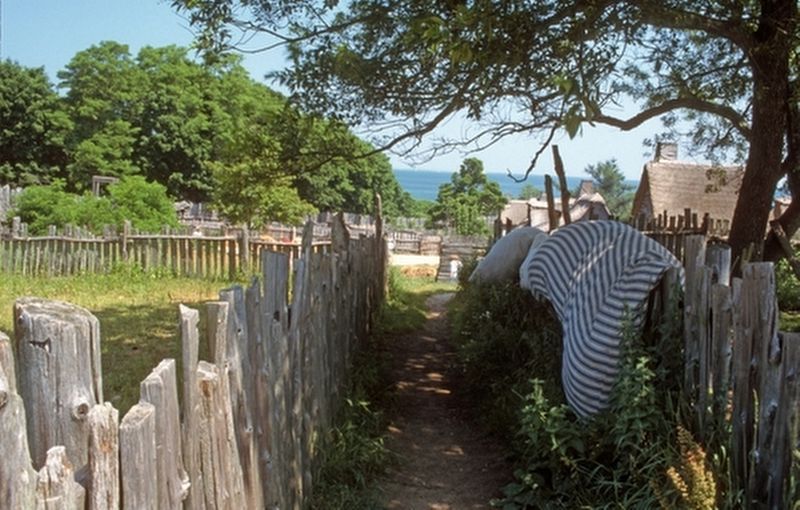
Why Visit Plimoth Patuxet Museums?
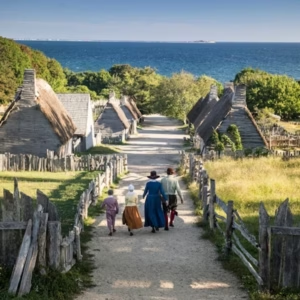
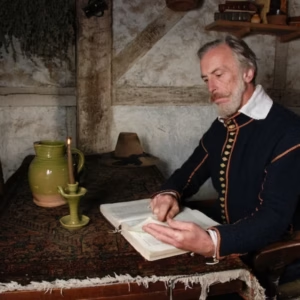
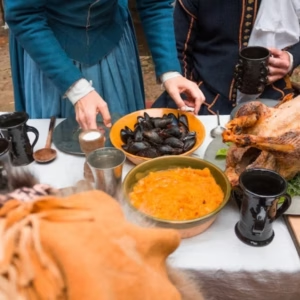
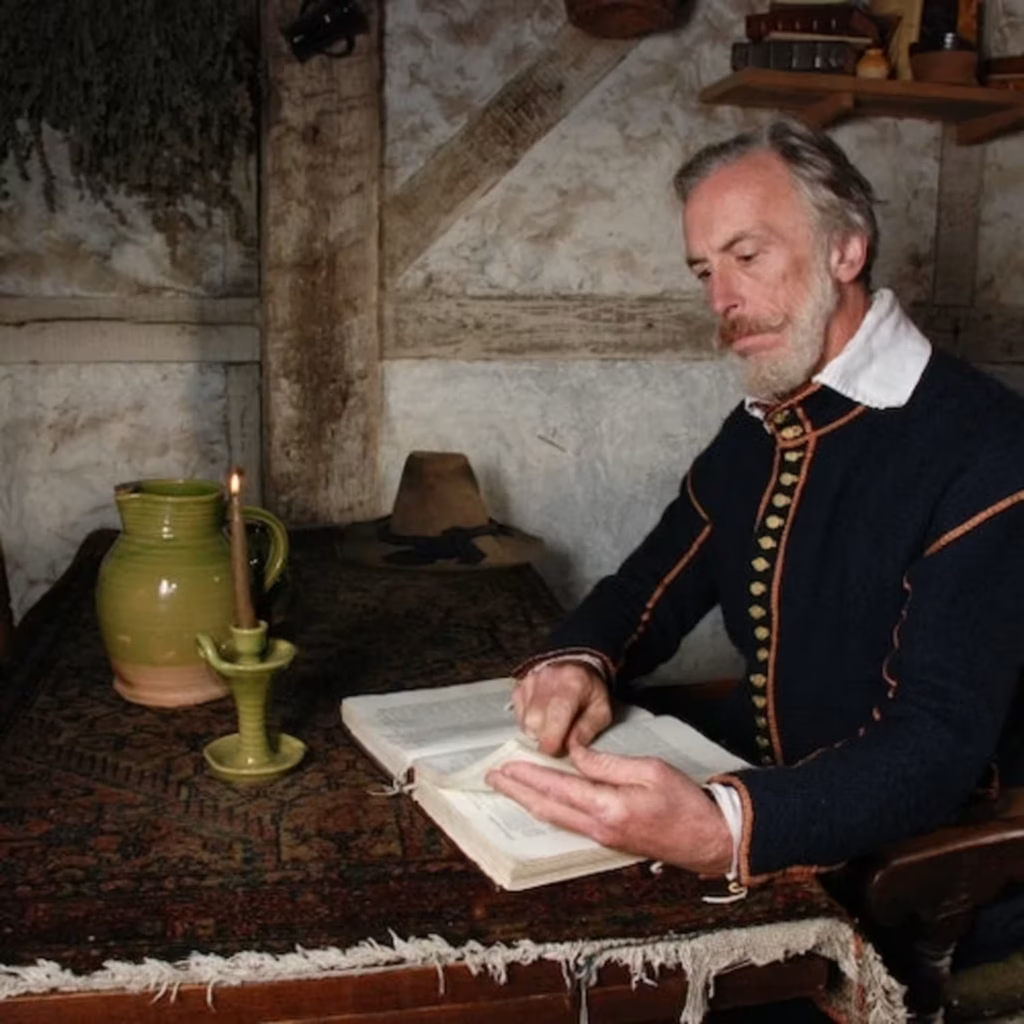
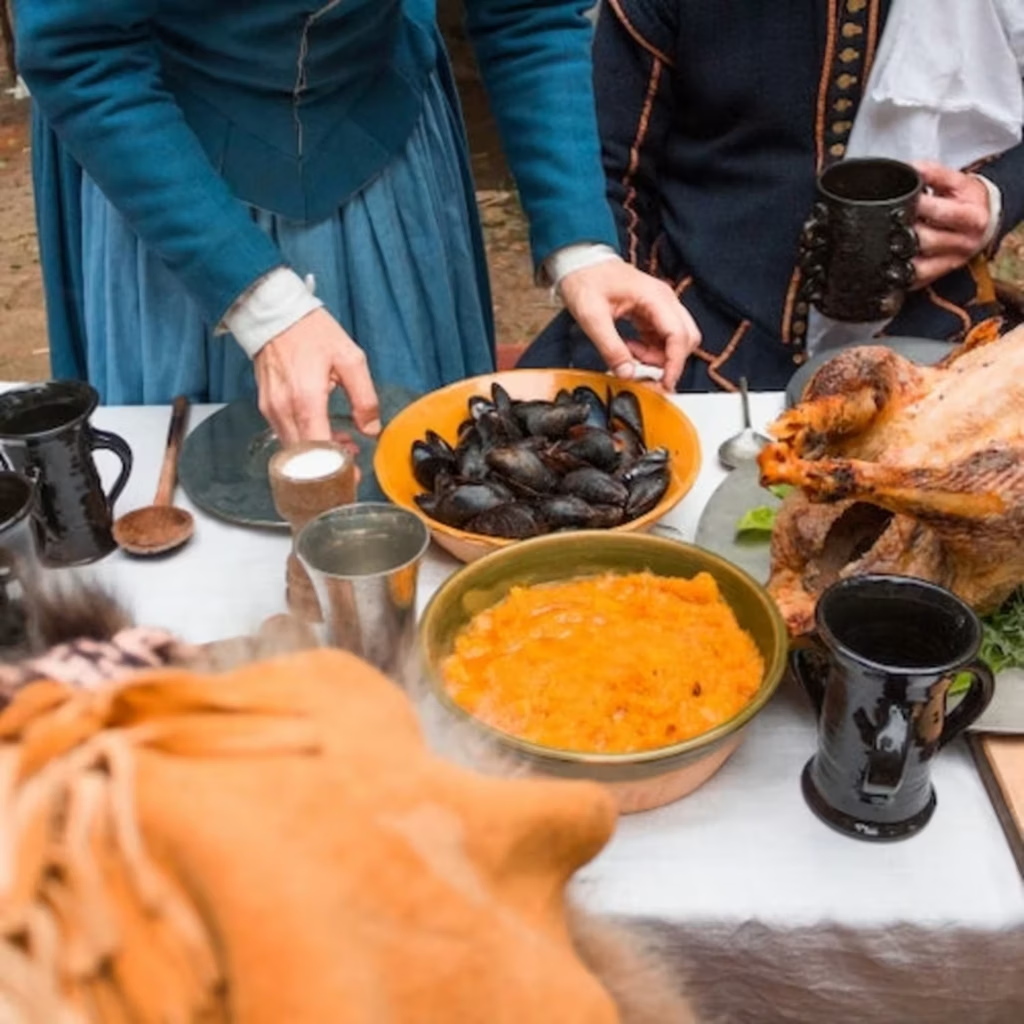
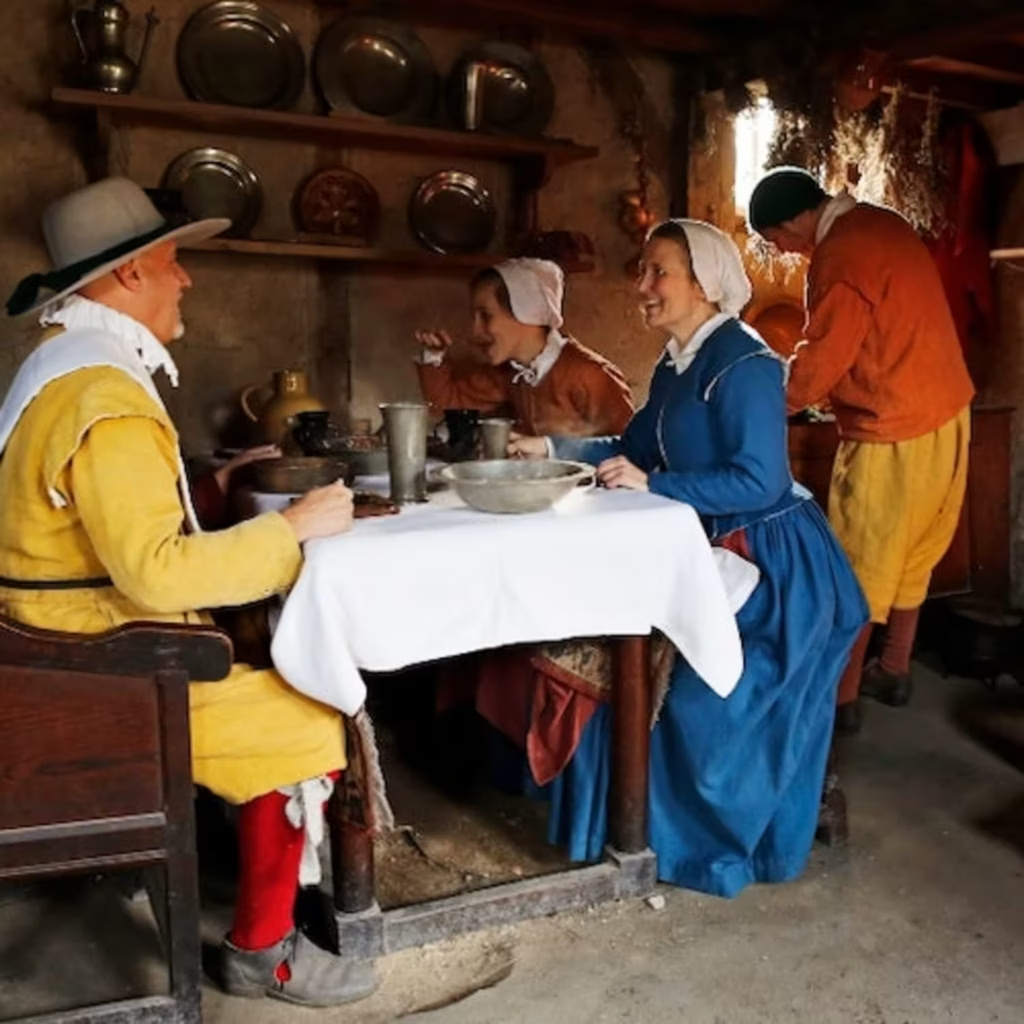
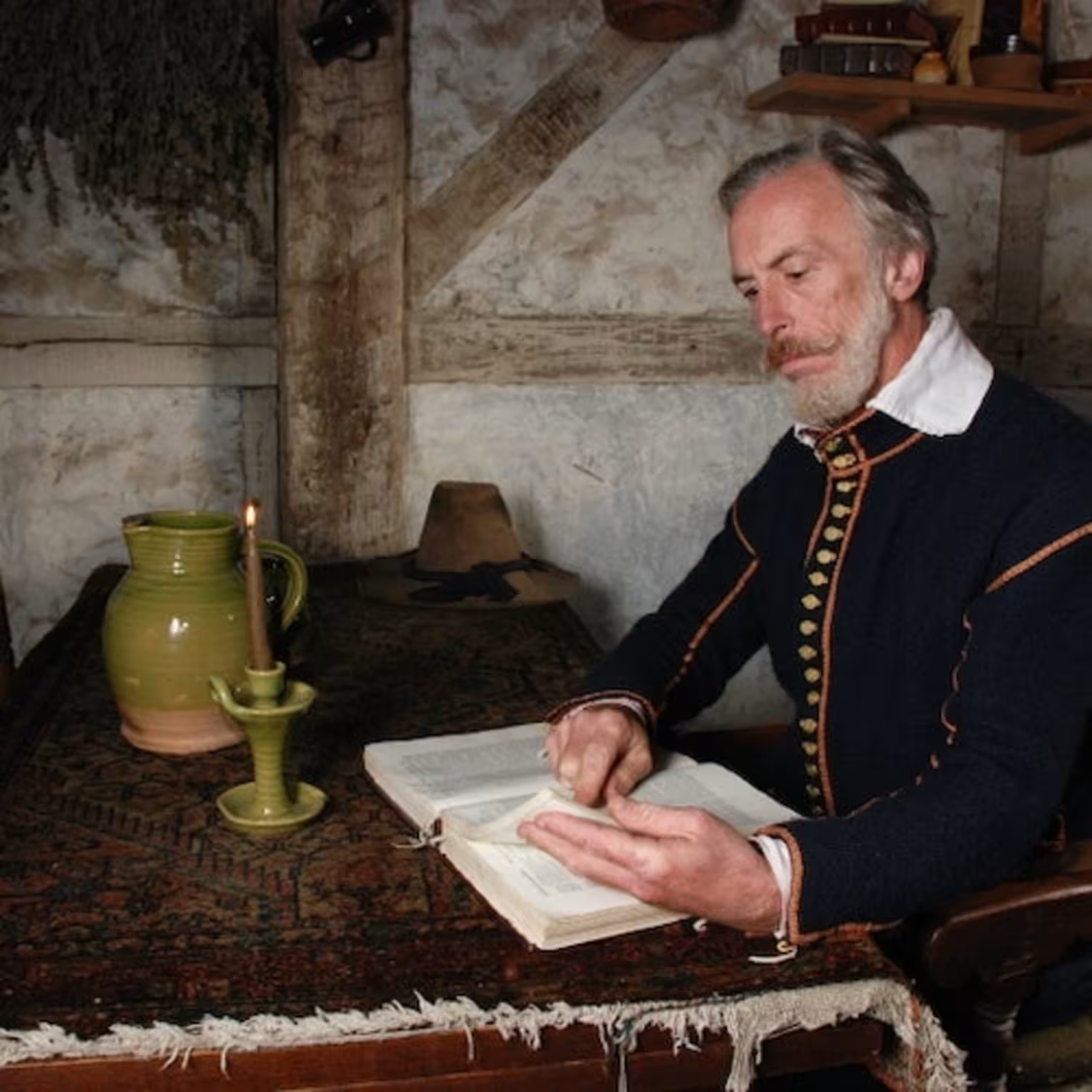
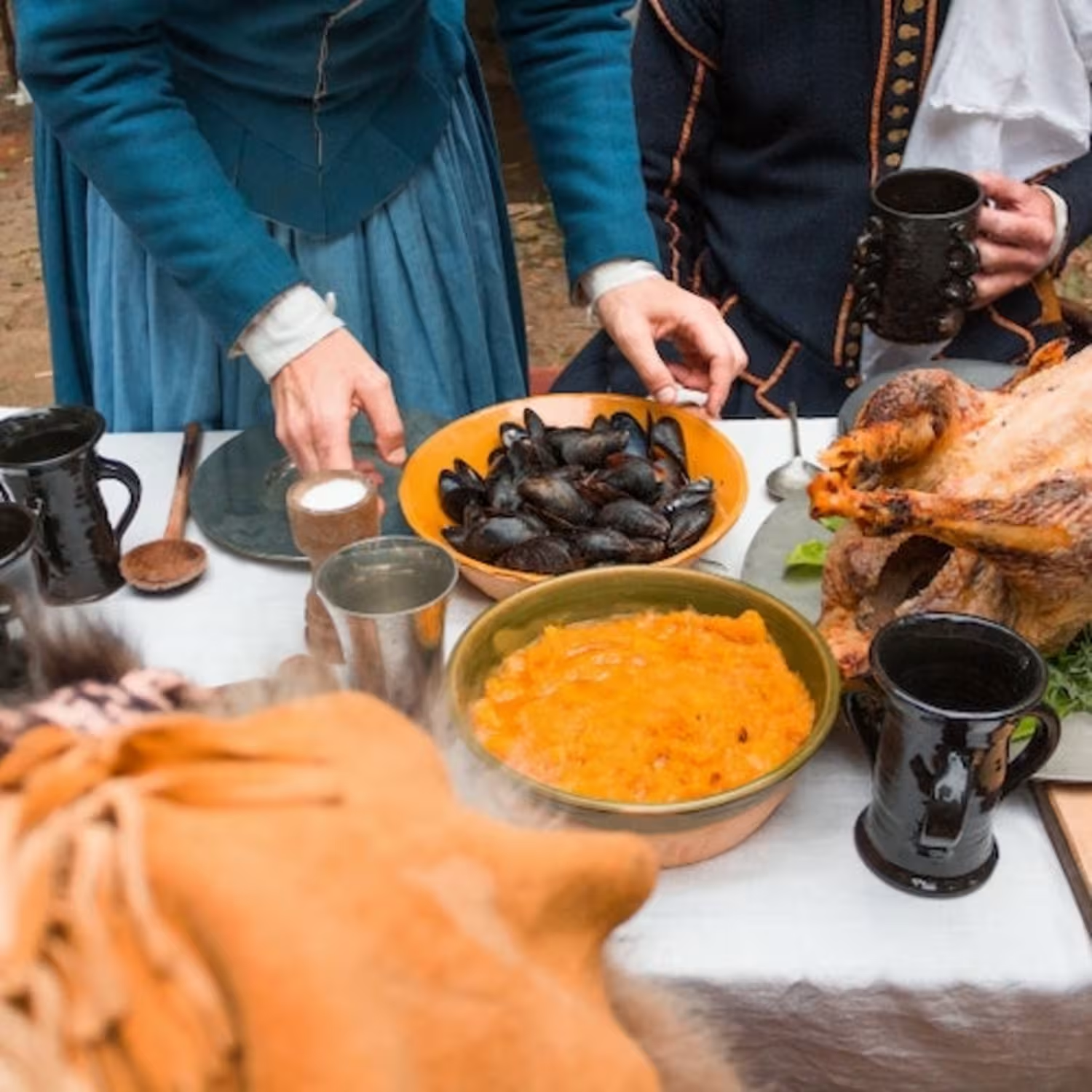
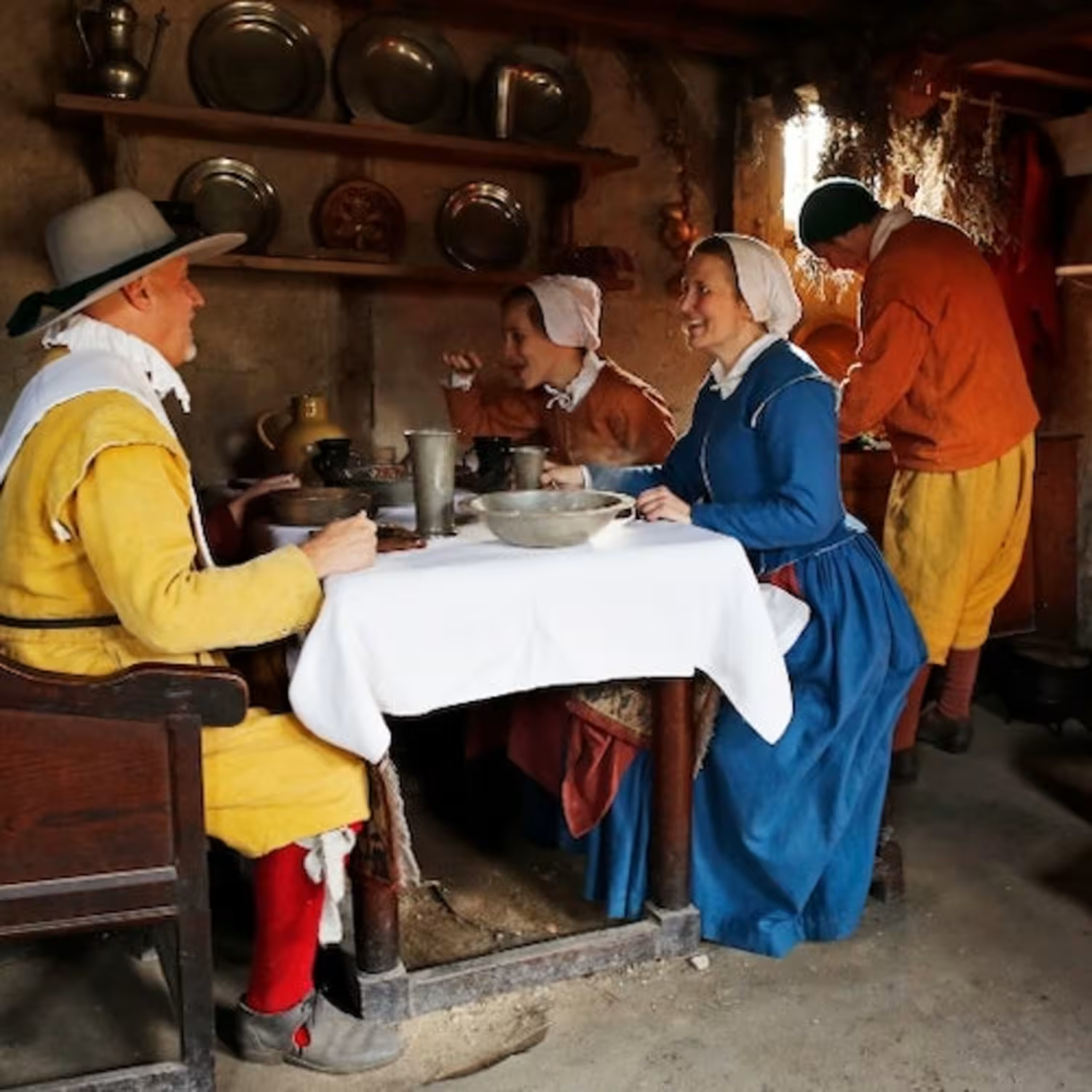
English Village: Step back into the 17th century by exploring the English Village, a faithfully reconstructed settlement representing the year 1627 for most of the season. Visitors can observe period houses, a meeting house, and a fort as first-person interpreters, dressed as Pilgrims, demonstrate daily activities like cooking, farming, and animal care. In November, the village reflects the pivotal year 1621, the time of the first Thanksgiving, offering a unique seasonal perspective on colonial life.
Wampanoag Homesite: Discover the rich culture and traditions of the Wampanoag people at the Homesite, where Native interpreters from various tribes share insights into their ancestors' lives. This interactive area highlights indigenous perspectives, featuring traditional dwellings, crafts, and practices that provide an essential counterpoint to the colonial narrative and enhance understanding of the region’s original inhabitants.
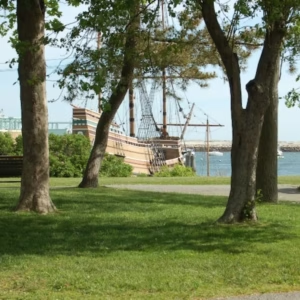
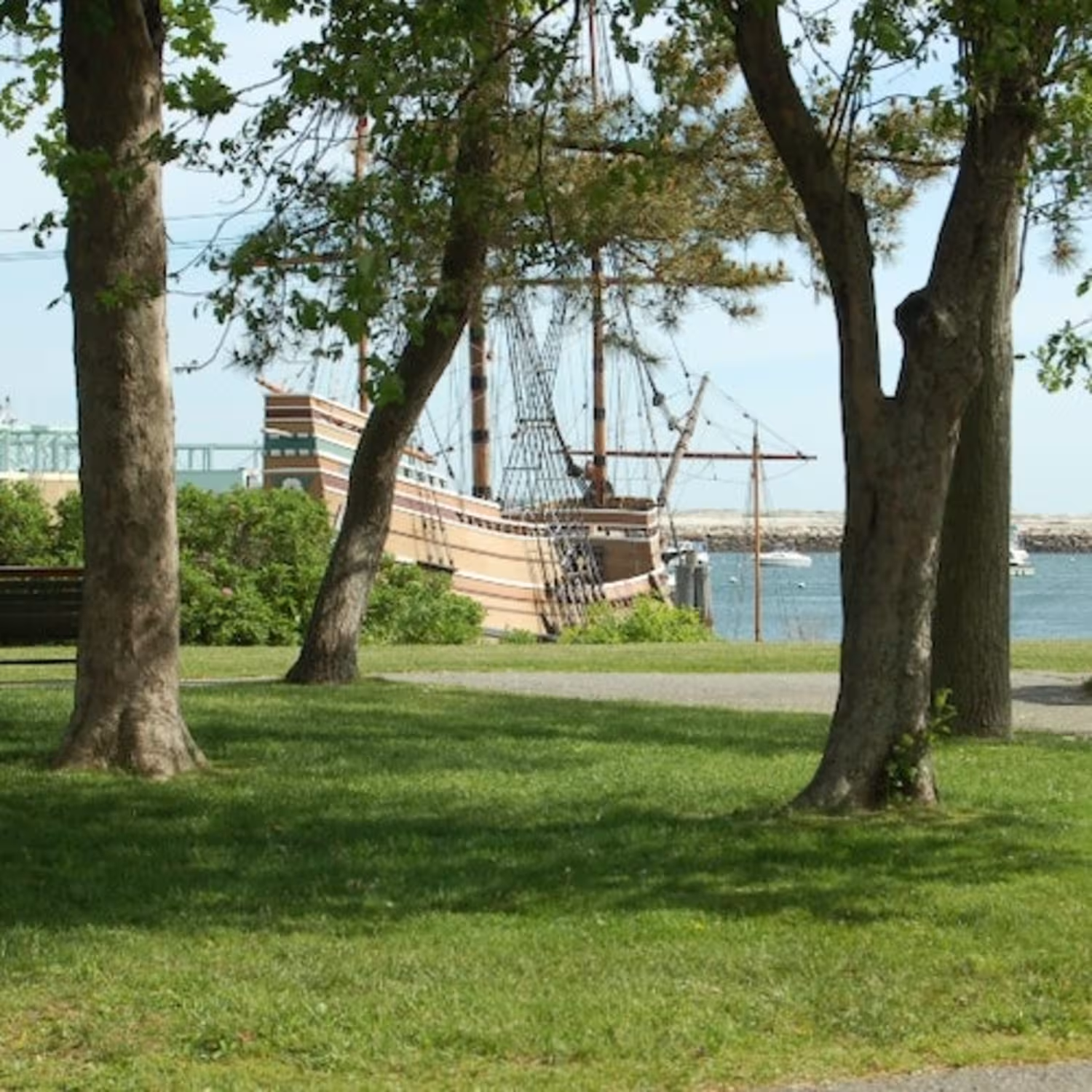
Mayflower II: View the meticulously maintained Mayflower II, a 1957 full-scale replica of the original ship that brought the Pilgrims to America. Docked near historic Plymouth Rock, this vessel offers visitors the chance to learn about the arduous journey across the Atlantic and the sacrifices endured by early settlers, bringing history to life aboard this iconic symbol of colonial exploration.
Craft Center and Nye Barn: Explore the Craft Center, where traditional crafts are created for exhibit displays, showcasing skills such as woodworking, weaving, and pottery from the 17th century. Nearby, the Nye Barn houses historical breeds of livestock, illustrating the agricultural practices that supported the Plymouth Colony. Together, these sites highlight the practical and creative aspects of colonial and indigenous life.
Colonial Education Site: Engage with relocated historic houses originally featured in a public television production, offering an immersive educational experience tailored for groups and families. This area enhances understanding of 17th-century community life through interactive learning, demonstrations, and programs that emphasize the themes of leadership, faith, and self-governance fundamental to the colonial experience.
Timings
Plimoth Patuxet Museums welcome visitors seasonally, offering a unique glimpse into 17th-century Plymouth from early spring through late fall each year.
2025 Season Schedule:
Opening Date: March 15, 2025
Closing Date: Thanksgiving Day, November 27, 2025
Regular Daily Hours:
Monday to Sunday: 9 AM - 4:30 PM
The museum typically operates daily throughout the open season.
There are no regular weekly closures during operating month
Peak visitor hours are generally Monday through Friday from 9 AM until 1 PM.
Special programming and seasonal historical representations may cause slight variations in visitor experience but not in general opening hours.
Visitors are encouraged to plan for approximately 4-5 hours to explore the full site, though many choose to spend more time enjoying the various features and exhibits.
The museum typically operates daily throughout the open season.
There are no regular weekly closures during operating month
Peak visitor hours are generally Monday through Friday from 9 AM until 1 PM.
Special programming and seasonal historical representations may cause slight variations in visitor experience but not in general opening hours.
Visitors are encouraged to plan for approximately 4-5 hours to explore the full site, though many choose to spend more time enjoying the various features and exhibits.
 English
  Español
  Français
  Deutsch
  Português do Brasil
  Italiano